Production Grade dApp development services
Slow confirmations, confusing wallet steps, and contracts that cannot be upgraded safely still stop many decentralized products after launch. Web Squalix designs, constructs, and reviews decentralized applications that perform under real traffic. Whether you are releasing a new product or rebuilding one that has outgrown its first version, engineers handle contracts, backend services, and interfaces as one accountable group so ownership and quality remain clear from the first sprint to mainnet.
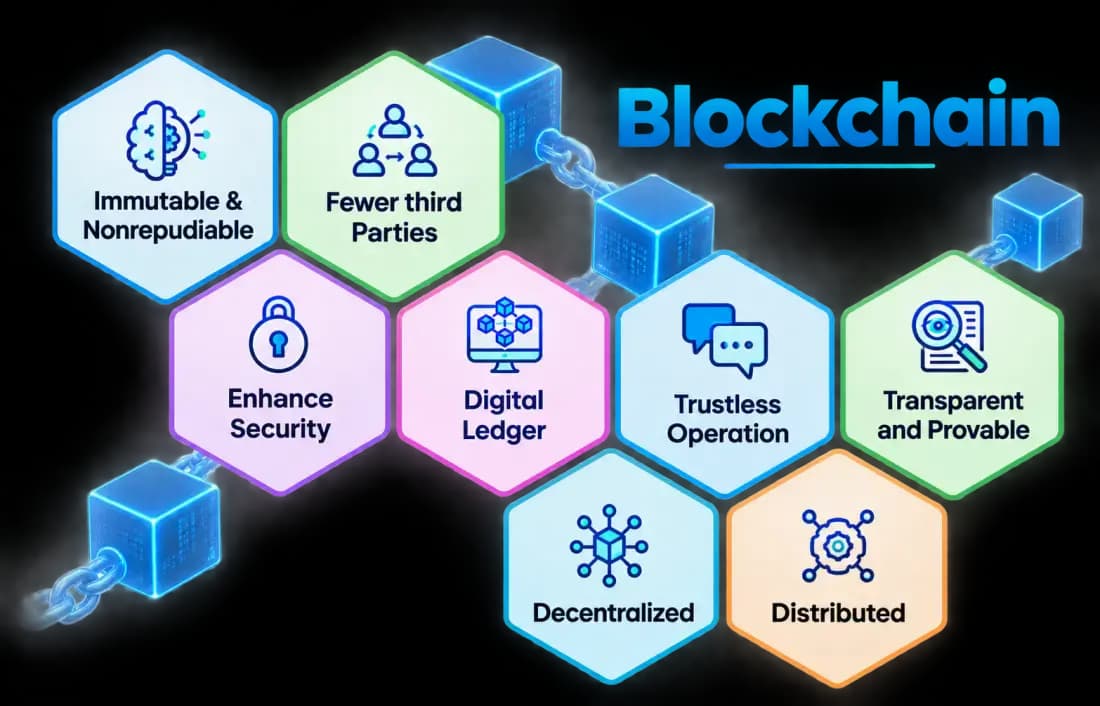
Decentralized applications that remain fast secure and usable
Many decentralized applications stall after release because of slow transactions, confusing wallet steps, or contracts that cannot be upgraded safely. Web Squalix engineers build products around users and compliance needs with clear ownership of data, predictable gas costs, and administrative controls that operations teams can actually use day to day.
Full cycle delivery covers discovery, token model review, contract engineering, backend and indexing, interface work, testnet trials, and mainnet release. When the idea is still unproven a working proof of concept can appear in weeks so investors and stakeholders see real transactions rather than presentation slides.
Protection and scale are designed in from the start. Account abstraction supports gasless onboarding, multi signature treasury controls protect funds, monitoring with alerts surfaces issues early, and load tested infrastructure keeps support volume low so the team can concentrate on growth instead of firefighting on chain incidents.
Why enterprises choose Web Squalix over typical dApp development agencies
Web Squalix delivers decentralized applications for enterprises and startups along with infrastructure security review ecosystem introductions and post release operations which goes well beyond writing contracts and a working interface.
| Comparison Factors | Web Squalix | Traditional Companies |
|---|---|---|
| Industry Trust and Ecosystem Presence | Trusted by ecosystem partners and global brands including Huawei AWS CoinDCX CertiK Qubetics Triskel and Škoda | Few ecosystem partners and limited credibility |
| End to End dApp Services | Complete delivery covering contracts backend indexing wallets tokenization exchanges enterprise blockchain AI and Web3 ecosystems under one team | Narrow service range that needs extra vendors |
| Smart Contract and Protocol Depth | Solidity and Rust contracts Layer 2 deployments appchains rollups and modular blockchain ecosystems | Mostly limited to template based contract development |
| Enterprise Blockchain Readiness | Hyperledger R3 Corda consortium networks and private blockchain ecosystems with dApp interfaces | Limited experience with enterprise blockchain needs |
| Scalability Architecture | zkEVMs OP Stack modular blockchain infrastructure and Layer 2 scaling ecosystems tuned for low gas products | Limited support for scaling beyond mainnet |
| AI and Emerging Technology Focus | AI integrated products DePIN ecosystems and decentralized infrastructure networks with agent ready wallets | Limited expertise in AI and emerging technology |
| Compliance and Security Standards | GDPR focused systems HIPAA ready infrastructure KYC and AML workflows and NDA backed delivery | Basic compliance handled late in the project |
| Industry Specific dApp Solutions | BFSI healthcare logistics ecommerce government gaming and education products with domain specific logic | Generic products that ignore domain rules |
| Trust Signals and Client Recognition | Clutch badges signed LORs client testimonials enterprise trust and strong ratings across global blockchain projects | Few verifiable reviews or client references |
| Delivery Transparency | Structured workflows milestone visibility weekly demonstrations and dedicated blockchain teams | Loose processes with limited progress visibility |
| Long Term Ecosystem Support | Contract upgrades monitoring incident response blockchain maintenance and ecosystem scaling | Limited support after launch |
| Technology Stack Breadth | Expertise across 50+ blockchain platforms frameworks and infrastructure ecosystems used in decentralized applications | Limited exposure beyond one or two chains |
Industry Trust and Ecosystem Presence
Web Squalix
Trusted by ecosystem partners and global brands including Huawei AWS CoinDCX CertiK Qubetics Triskel and Škoda
Traditional Companies
Few ecosystem partners and limited credibility
End to End dApp Services
Web Squalix
Complete delivery covering contracts backend indexing wallets tokenization exchanges enterprise blockchain AI and Web3 ecosystems under one team
Traditional Companies
Narrow service range that needs extra vendors
Smart Contract and Protocol Depth
Web Squalix
Solidity and Rust contracts Layer 2 deployments appchains rollups and modular blockchain ecosystems
Traditional Companies
Mostly limited to template based contract development
Enterprise Blockchain Readiness
Web Squalix
Hyperledger R3 Corda consortium networks and private blockchain ecosystems with dApp interfaces
Traditional Companies
Limited experience with enterprise blockchain needs
Scalability Architecture
Web Squalix
zkEVMs OP Stack modular blockchain infrastructure and Layer 2 scaling ecosystems tuned for low gas products
Traditional Companies
Limited support for scaling beyond mainnet
AI and Emerging Technology Focus
Web Squalix
AI integrated products DePIN ecosystems and decentralized infrastructure networks with agent ready wallets
Traditional Companies
Limited expertise in AI and emerging technology
Compliance and Security Standards
Web Squalix
GDPR focused systems HIPAA ready infrastructure KYC and AML workflows and NDA backed delivery
Traditional Companies
Basic compliance handled late in the project
Industry Specific dApp Solutions
Web Squalix
BFSI healthcare logistics ecommerce government gaming and education products with domain specific logic
Traditional Companies
Generic products that ignore domain rules
Trust Signals and Client Recognition
Web Squalix
Clutch badges signed LORs client testimonials enterprise trust and strong ratings across global blockchain projects
Traditional Companies
Few verifiable reviews or client references
Delivery Transparency
Web Squalix
Structured workflows milestone visibility weekly demonstrations and dedicated blockchain teams
Traditional Companies
Loose processes with limited progress visibility
Long Term Ecosystem Support
Web Squalix
Contract upgrades monitoring incident response blockchain maintenance and ecosystem scaling
Traditional Companies
Limited support after launch
Technology Stack Breadth
Web Squalix
Expertise across 50+ blockchain platforms frameworks and infrastructure ecosystems used in decentralized applications
Traditional Companies
Limited exposure beyond one or two chains
What We Build and Ship
As a full service dApp development company Web Squalix delivers reviewed smart contracts, DeFi applications, exchange and NFT marketplaces, real world asset tokenization portals, and wallet ready interfaces under one accountable engineering group with clear milestones from the first sprint to mainnet.
Custom dApp Development
We construct decentralized applications for DeFi, gaming, wallets, staking, lending, and supply chain use cases. Each product ships with tested contract logic, oracle connections, indexed data, and an interface that hides wallet complexity from ordinary users.
RWA Tokenization Platforms
We represent property, private credit, commodities, art, and equity as compliant on chain assets. Platforms combine permissioned token standards, investor onboarding with identity and compliance checks, transfer restrictions, and distribution logic so liquidity can improve without breaking securities rules in target markets.
DEX and NFT Marketplaces
The team builds decentralized exchanges, NFT marketplaces, and launchpads with order matching or automated market maker engines, royalty enforcement, lazy minting, and protections against automated abuse. Gas usage and indexing are tuned so listings, swaps, and searches feel responsive for traders and collectors.
Wallet and Account Abstraction
We build custodial non custodial and smart contract wallets with account abstraction social login session keys and sponsored gas which removes the seed phrase barrier that keeps mainstream users from completing onboarding.
dApp Security Auditing and Testing
Contract architecture and interface code are examined for reentrancy oracle manipulation access control gaps and signature replay. Findings are ranked by exploit impact fixed alongside developers and retested so external audit reports return cleaner and faster.
Zero Knowledge and MPC Solutions
Advanced builds include zero knowledge proofs for private credentials and verification multi party computation and multi signature key management for treasuries and gasless transaction relays that let users act without holding native tokens.
Crypto Payment Integration
We add stablecoin and crypto payment rails to existing applications including checkout payouts and reconciliation. Transactions settle quickly fees stay visible and finance teams receive reports that match traditional accounting needs.
Token and Tokenomics Engineering
We design standard token types together with vesting staking and governance mechanics then model supply and incentives so the token supports the product instead of distracting from it.
Cross Chain and Interoperability
We connect products across Ethereum Solana and Layer 2 networks through reviewed bridges and messaging layers with fallback handling so a delayed message never strands user funds.
Web3 application infrastructure and scalable architecture
We deliver dApp development services backed by production grade infrastructure covering indexing RPC reliability contract upgrade paths and monitoring so the decentralized application performs consistently long after launch day.
Smart Contract Engineering
Web Squalix writes gas conscious Solidity and Rust contracts using proxy upgrade patterns role based access and established libraries with fuzz and invariant tests that catch edge cases before mainnet exposure. Coverage targets are agreed upfront.
Multi Chain dApp Architecture
Architects design products that run across Ethereum Solana Base and Polygon with shared business logic chain specific adapters and unified user balances which avoids a costly rewrite when users request another network.
Layer 2 and Rollup Integration
We deploy and tune products on optimistic and zero knowledge rollups handling bridging flows sequencer downtime and finality delays so trading gaming and payments stay responsive at a fraction of mainnet gas cost.
Indexing and Data Layer
Web Squalix builds subgraphs and custom indexers that serve portfolio views order books and analytics quickly so the product never depends on slow direct chain queries for everyday screens.
Oracle and Off Chain Integration
Web Squalix connects contracts to price feeds randomness sources and secure off chain workers with staleness checks and circuit breakers protecting lending gaming and settlement logic from bad data.
Wallet Connectivity Layer
We integrate major wallets and embedded options behind one clean connection flow with network switching transaction simulation and clear error messages that reduce failed transactions.
Node and RPC Infrastructure
Web Squalix sets up dedicated endpoints failover providers and full or validator nodes where needed with monitoring dashboards and alerting so downtime is caught before users notice it.
Governance and DAO Modules
Governance modules cover token voting timelocks multi signature treasuries and proposal workflows giving communities and enterprises transparent decision making enforced by contract code rather than informal trust.
Monitoring and Incident Response
On chain monitoring anomaly alerts and pause mechanisms ship with documented runbooks so suspicious transactions or oracle failures can be contained quickly while the team investigates safely.
dApp Solutions Built for Regulated and High Growth Industries Across Markets
From institutional DeFi and real world asset tokenization to supply chain provenance and decentralized identity Web Squalix builds decentralized applications where compliance protection and on chain correctness cannot be compromised and where users still expect the speed of a conventional application.
A dApp Development Process Designed for Secure Launches
Delivery experience comes from shipping decentralized products across DeFi tokenization gaming and enterprise use cases. Each phase has a defined output a review point and a risk check so you always know where the project stands and what happens next before any mainnet deployment.
Discovery and Requirement Mapping
A working session covers users revenue model regulatory exposure and network preferences. Engineers map risks such as oracle dependence custody and upgrade rights then recommend the leanest architecture that still meets compliance and expansion targets. You receive a written scope with priorities and estimates.
Architecture and Tokenomics Design
Contract layout backend services indexing approach and administrative tools are designed as one system. Where a token is involved supply emissions and incentives are modelled against realistic user behaviour and trust assumptions are documented early so auditors and stakeholders can review the design before construction starts.
Smart Contract Development
Contracts are written against the approved architecture with unit fuzz and fork tests running in continuous integration from the first commits so issues surface while they are still inexpensive to fix.
Front End and Admin Development
Wallet connection transaction flows and administrative dashboards that read indexed chain data simulate transactions and explain failures clearly are constructed so operators and end users can work without unnecessary friction.
Integration and Internal Testing
Contracts backend indexers and interface are joined in short iterations with end to end tests covering real wallet flows failed transactions and edge cases such as chain reorganizations. Each sprint ends with a demonstration on testnet so you review working software rather than status reports and integration issues surface early.
Security Audit and Testnet UAT
Before release a structured security review runs the external audit is coordinated and a testnet phase opens with your team or selected users. Fixes are verified gas is profiled and a launch checklist is signed off so nothing critical is left to chance.
Mainnet Launch and Support
Deployment scripts contract verification multi signature ownership handover monitoring setup and a staged rollout with usage caps are handled carefully. After release support continues for upgrades incident response and performance tuning as the user base grows.
Powering Web3 across leading blockchain ecosystems.
From EVM-compatible L1s and high-throughput L2s to enterprise and app-specific chains — we ship audited, production-grade systems on the network that fits your product.


Frequently Asked Questions
Quick answers to help you make informed business decisions
How much does dApp development cost for a startup or enterprise?
Cost depends on contract complexity the number of supported networks wallet and payment connections security reviews and administrative tooling. A focused early version costs less than a multi network DeFi platform so a phased estimate is shared after discovery rather than a single generic figure.
How long does dApp development take from idea to mainnet?
A focused early version usually takes several weeks to a few months while DeFi protocols exchanges and multi network products take longer because of testing and external reviews. Timelines also depend on how quickly designs and legal decisions are approved.
Does my product idea really need a decentralized application or is a conventional architecture enough?
A decentralized application makes sense when users need verifiable ownership open settlement composability with other protocols or reduced reliance on a central operator. If none of those apply a conventional architecture with selective chain anchoring may serve better and that assessment is shared honestly.
How do you keep dApp smart contracts secure and what attacks are most common?
Peer reviews static analysis fuzzing and external audits are combined and designs account for known attacks such as reentrancy oracle manipulation flash loan abuse and access control errors. Upgrade keys are held in multi signature setups with timelocks where appropriate.
How do I choose the right dApp development company for my project?
Ask for reviewed contract samples live products and clear ownership of code and keys. Look for multi network experience a testing process you can inspect and post release support rather than only a fast quote or a polished presentation.
Can you build dApps that work on web browsers and native mobile applications?
Yes. Responsive web products and cross platform mobile applications that share contract logic are built with wallet connection deep links and alerts for transaction updates so users can act from the device they prefer.
How does decentralized application development differ from standard web product work?
Decentralized application development adds irreversible state on chain wallet based identity gas cost awareness and upgrade constraints that do not exist in conventional web products. Discovery must account for these factors early or launch risk rises sharply.
Which blockchain should I build my dApp on Ethereum Solana Base or Polygon?
The choice depends on transaction volume fee tolerance user base and ecosystem tooling. Ethereum and its Layer 2 networks suit DeFi and assets that need deep liquidity while Solana fits high frequency consumer applications. Options are compared against the use case before commitment.
What is the difference between a dApp a smart contract and a Web3 app?
A smart contract is the on chain code that enforces rules. A decentralized application combines contracts with an interface backend and data layer. Web3 application is a broader term that also covers wallets and token based services users interact with.
Which consensus model matters most for dApps Proof of Work or Proof of Stake?
Nearly all active decentralized application ecosystems now run on Proof of Stake networks which offer lower fees faster finality and lower energy use. The choice of network matters more for liquidity tooling and security guarantees than the consensus label alone.
When should a dApp launch on Layer 1 Layer 2 or a sidechain network?
Layer 1 offers the strongest security and liquidity but higher fees. Layer 2 rollups cut costs while inheriting parent chain security and sidechains run independently with their own validators. The option is matched to transaction volume and trust requirements.
Which wallet integrations do you support in your dApps and Web3 apps?
Major browser wallets connection protocols mobile wallets embedded options and custom smart contract wallets with account abstraction are supported so onboarding can stay simple for mainstream users.
Can you build dApps for crowdfunding staking or NFT minting campaigns?
Yes. Crowdfunding staking and minting platforms are developed with transparent fund tracking escrow style contracts refund logic and compliant investor onboarding where required by the target markets.
What should teams examine before starting Web3 development for a regulated product?
Examine custody arrangements transfer restrictions identity requirements and the operational processes that will maintain accurate records after launch. Web3 development for regulated products succeeds when commercial and legal design move together with the technical build rather than after it.
Further reading from our engineering team.
Deep-dives written by the engineers who ship these systems.
- Blockchain & Web3 Development
Web3 Authentication: How Digital Wallets Are Becoming Identity Hubs
Digital wallets are outgrowing their original job as crypto storage tools and turning into portable identity credentials. Here's how wallet-based authentication actually works, where it falls short, and how a Web3 development company can help build it securely.
- Blockchain
Blockchain Architecture: A Complete Guide to Building Scalable Blockchain Solutions
A practical breakdown of blockchain architecture — its core components, how scalability actually works in practice, and what businesses should weigh before committing to a design.
- Web3
Web3 UX: Fixing the Onboarding Cliff That Kills 90% of Users
Account abstraction, embedded wallets, and the engineering patterns Web Squalix uses to make Web3 products usable for non-crypto-natives — without sacrificing self-custody.
- Blockchain
Blockchain Technology vs Other Technologies: Key Differences Explained
Blockchain gets compared to databases, cloud computing, and AI constantly, but the comparisons rarely explain what each one is actually for. Here's a practical breakdown of where blockchain fits and where it doesn't.
- Blockchain
A Complete Guide to Blockchain Architecture for Building Enterprise Systems That Last
A practical breakdown of blockchain architecture — layers, components, network types, platforms and the design decisions that determine whether an enterprise system scales or stalls, and how Web Squalix engineers each one.

Planning to launch a dApp development project?
Work with a team that has shipped decentralized applications across DeFi tokenization and enterprise use cases from the first architecture conversation to mainnet release.