What Is an On-Demand App Business Model?
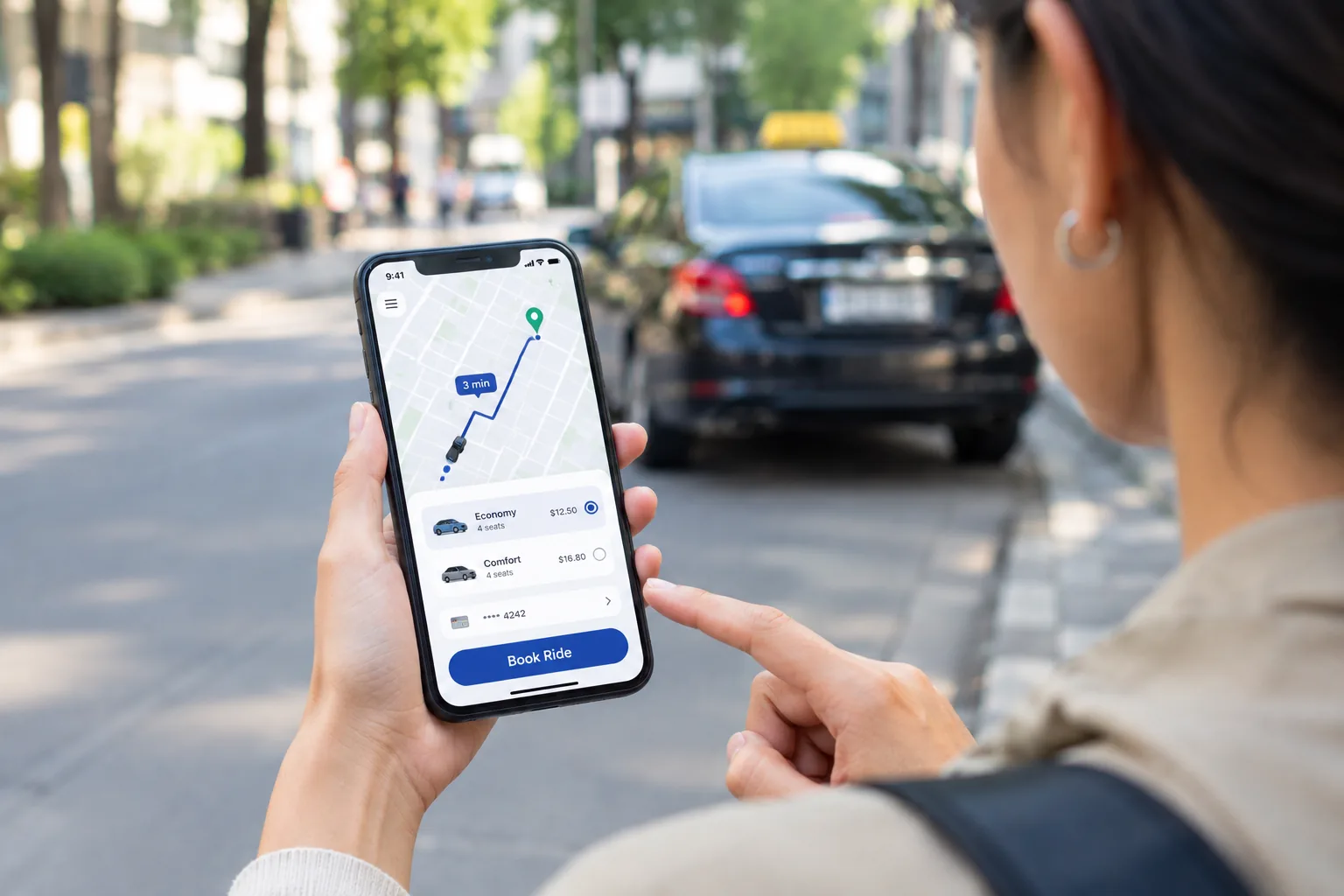
An on-demand app business model explains how a digital platform connects customers with products or services and earns revenue from those transactions. The platform may connect users with drivers, restaurants, healthcare professionals, home service providers, or other businesses. Its revenue can come from commissions, subscriptions, booking fees, advertising, or a combination of these methods.
For example, a home cleaning app might charge customers for each booking and retain a percentage of the payment. A fitness platform might offer monthly memberships for access to trainers. The right structure depends on customer behavior, service frequency, operating costs, and the value your platform provides.
Commission-Based Marketplace Model
A commission-based marketplace earns a percentage of each completed transaction. The platform connects customers with providers and receives a fee when a booking, order, or service is completed. This model is common in food delivery, ride-hailing, freelance marketplaces, and home services.
Its biggest advantage is that revenue can increase as transaction volume grows. However, commission rates must leave enough value for service providers while covering payment processing, support, promotions, and platform maintenance. Transparent pricing helps reduce disputes and encourages providers to remain active.

Subscription and Membership Model
Subscription-based apps charge users or providers a recurring fee for access to specific benefits. These may include reduced booking fees, priority service, exclusive offers, premium features, or a certain number of monthly bookings. This approach is useful when customers need a service regularly and can clearly see the value of continued access.
Recurring payments can make revenue more predictable, but customers need a strong reason to renew. Businesses should monitor renewal rates, cancellations, feature usage, and the cost of delivering membership benefits. Free trials and tiered plans can help users find a suitable subscription level.
Delivery Fees and Service Charges
Delivery and service fees allow an app to charge for fulfillment, convenience, distance, or booking management. A grocery app may calculate delivery charges based on distance or order size, while a home repair platform may collect a booking fee for arranging a qualified professional.
These fees are straightforward to understand when the app explains them before checkout. Unexpected charges can increase abandoned bookings, so businesses should test different pricing structures and clearly distinguish platform fees, provider charges, taxes, and optional tips.
Pay-Per-Use and Booking-Based Revenue
In a pay-per-use model, customers pay whenever they use a service instead of committing to a recurring membership. It works well for occasional needs such as equipment rentals, vehicle bookings, consultations, and one-time home repairs. Customers can access the service without taking on a long-term financial commitment.
The main challenge is revenue predictability. Since customers only pay when they use the app, income may fluctuate with demand and seasonality. Businesses can improve repeat usage through reliable service, convenient rebooking, relevant reminders, and loyalty benefits without forcing users into subscriptions they do not need.
Advertising and Sponsored Listings
Advertising creates an additional revenue stream by allowing relevant businesses to promote products or services within the app. A local services marketplace could offer sponsored provider listings, while a delivery platform might feature promoted restaurants or special offers in search results.
Advertising works best when the app already attracts a useful audience and has enough activity to provide value to advertisers. Too many promotions can damage trust and make the experience harder to navigate. Sponsored placements should be clearly identified and relevant to what users are trying to find.
Lead Generation and Referral Fees
Lead generation platforms charge businesses for customer inquiries, qualified leads, or opportunities to provide a service. For example, an app that connects homeowners with electricians could charge providers for qualified requests or offer paid access to relevant leads.
This model can suit services where customers compare providers before making a final decision. Its success depends on lead quality, accurate matching, and fair pricing. Businesses should define what counts as a qualified lead and establish processes for handling duplicate inquiries, invalid contact details, and customer complaints.
The Uber-for-X Model and Gig Economy Apps
The Uber-for-X model applies an on-demand marketplace approach to a specific industry. Instead of transportation, the platform might connect customers with cleaners, tutors, pet sitters, healthcare services, repair technicians, or delivery professionals. The app typically manages discovery, booking, communication, payments, and service feedback.
Choosing a narrow market can help a startup understand customer needs and build a more focused service experience. However, the platform must also address provider availability, service quality, cancellations, dispute resolution, and applicable local regulations. A familiar app structure alone does not guarantee that the business will succeed.
Hybrid Monetization Strategies
A hybrid model combines two or more revenue streams. For example, a delivery app could earn commissions from orders, charge customers a delivery fee, and offer a paid membership with discounted deliveries. A professional services platform could combine provider subscriptions with fees for completed bookings.
Combining revenue streams can reduce dependence on a single source of income, but it can also make pricing confusing. Start with a primary revenue model, validate it with real users, and introduce additional streams only when they provide a clear benefit to customers or service providers.
How to Choose the Right Business Model
Start by identifying who receives value from the platform, who pays for it, how frequently the service is used, and what it costs to fulfill each transaction. A high-frequency grocery service may support memberships and delivery fees, while an occasional specialist service may be better suited to booking fees or lead generation.
Validate the model with customer interviews, provider feedback, a small pilot, and realistic unit economics. Estimate customer acquisition costs, average order value, contribution margin, repeat usage, refunds, and support expenses before scaling. The goal is to prove that each transaction can create value for customers and a sustainable return for the business.
| Business model | Main revenue source | Suitable use case | Key consideration |
|---|---|---|---|
| Commission | Percentage of transactions | Delivery and service marketplaces | Balance platform fees with provider earnings |
| Subscription | Recurring membership fees | Frequent-use services | Deliver ongoing value to encourage renewals |
| Delivery or service fee | Per-order or booking charges | Delivery and fulfillment | Keep pricing clear before checkout |
| Pay-per-use | Individual bookings or usage | Rentals and occasional services | Account for fluctuations in demand |
| Advertising | Sponsored listings and placements | Platforms with established audiences | Protect relevance and user trust |
| Lead generation | Fees for qualified customer leads | Professional service discovery | Maintain lead quality and transparency |
| Hybrid | Multiple revenue streams | Established multi-sided platforms | Avoid complicated or excessive charges |
Technology Features That Support Monetization
The app's features should support the chosen revenue model from the beginning. Common requirements include secure payments, provider onboarding, booking management, notifications, pricing rules, customer support, reviews, and reporting dashboards. Subscription products may also need plan management and renewal handling, while marketplaces need commission calculations and provider payouts.
Analytics are equally important because they reveal which revenue streams work in practice. Track conversion rates, repeat bookings, cancellation rates, average revenue per user, and transaction margins. Build privacy, security, and appropriate access controls into the platform so financial and customer data are handled responsibly.
Common Monetization Mistakes to Avoid
A frequent mistake is setting prices before understanding the costs of delivering the service. Payment processing, customer support, refunds, provider incentives, marketing, infrastructure, and operational staff can all affect profitability. High transaction volume does not automatically mean the business is profitable.
Another mistake is introducing too many fees or relying heavily on discounts to attract customers. These tactics may generate short-term activity but weaken margins or reduce trust. Test pricing with real users, communicate charges clearly, and review customer retention alongside revenue growth.
Building a Scalable On-Demand App in 2026
A scalable on-demand business needs more than an attractive interface. It needs reliable booking workflows, secure payment processing, responsive customer support, effective provider management, and infrastructure that can handle growth. The technical design should reflect the business model rather than adding monetization features without a clear purpose.
Web Squalix can help businesses plan and build custom on-demand web and mobile applications around their operational requirements, target audience, and monetization goals. Explore our [on-demand app development services](https://www.squalix.com/on-demand-app-development-company) to learn how a tailored solution can support your business idea.

Daniel is a Senior Software Engineer specializing in designing, developing, and delivering scalable, reliable software solutions. He works closely with cross-functional teams to solve complex technical challenges and build high-quality products that align with business goals.